
DESTINATION GUIDE | May 2026 | 8 min read
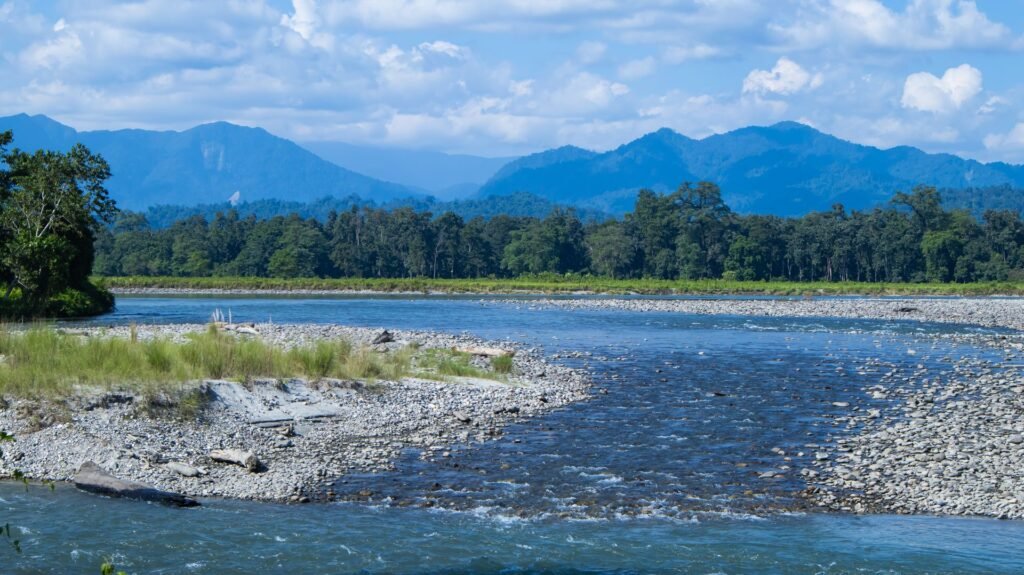
When travelers think of Bengal, their minds usually drift to the colonial streets of Kolkata or the misty hills of Darjeeling. But tucked away in the foothills of the Eastern Himalayas lies an untouched, emerald-green paradise that remains gloriously off the beaten path.
Welcome to the Dooars—the most underrated jungle destination in Bengal.
Stretching from the Teesta River in West Bengal to the Dhansiri River in Assam, the Dooars (which literally translates to “doors” or “gateway” to Bhutan) is a sprawling network of dense forests, rolling tea gardens, and meandering rivers. It is the ultimate haven for nature lovers, wildlife enthusiasts, and anyone looking to disconnect from the chaos of city life.
If you are planning a trip into the wild, here is your ultimate Dooars travel guide—covering the best season, wildlife, resorts, and insider tips.
1. The Best Season to Visit Dooars
The Dooars experiences a subtropical climate, meaning the weather plays a huge role in your wildlife spotting experience.
- Winter (October to February): This is undoubtedly the best time to visit. The weather is pleasant, the humidity drops, and the deciduous forests thin out, making wildlife spotting much easier. Mornings in the jungle can be chilly, so pack a warm jacket for your early morning safaris!
- Summer (March to May): If you can handle the heat, summer is fantastic for hard-core wildlife photographers. As water sources shrink, animals flock to the remaining rivers and waterholes, offering incredible sightings.
- Monsoon (June to September): The Dooars receives heavy rainfall, and most of the core forest areas and national parks remain closed for safaris to allow the ecosystem to rejuvenate. However, the lush greenery is a sight to behold.
2. The Wildlife: What to Expect
The Dooars is home to a staggering variety of flora and fauna. If you are a wildlife enthusiast, this is your playground. Here are the top forests you must include in your itinerary:
- Jaldapara National Park: The crown jewel of Dooars, famous for its population of the Indian One-Horned Rhinoceros. A jeep safari or an elephant safari through the tall elephant grasses is an adrenaline-pumping experience.
- Gorumara National Park: Known for its thriving population of Indian Rhinos, Gorumara is also a great place to spot wild elephants, leopards, and sambar deer. Don’t miss the Jatraprasad Watchtower, named after a legendary elephant.
- Chapramari Wildlife Sanctuary: Located close to Gorumara, this dense forest is a birdwatcher’s paradise and a great spot to see majestic herds of elephants.
- Buxa Tiger Reserve: Rich in biodiversity and history (it houses the historic Buxa Fort), this reserve is known for tigers, leopards, and a wide array of exotic birds.
3. Where to Stay: Resorts and Stays
Staying in the Dooars is all about immersing yourself in nature. Accommodation options range from luxury resorts to cozy forest camps.
- Forest Rest Houses & Eco-Camps: For the true jungle experience, book a stay at a government or private eco-camp inside or on the fringes of the forest. Falling asleep to the distant roar of a tiger or the trumpeting of elephants is an experience you won’t forget.
- Tea Garden Bungalows: The Dooars is dotted with sprawling tea estates. Many offer colonial-style bungalows turned into boutique stays. Sipping a cup of fresh, locally-grown tea while looking out over the manicured tea bushes and distant Himalayan peaks is pure bliss.
- Wildlife Resorts: There are several private resorts along the Murti and Jaldhaka riverbanks that offer comfortable, modern amenities without compromising the jungle vibe.
(Need help booking the perfect stay? Tripod Travel has exclusive tie-ups with the best eco-resorts in the region!)
4. Insider Tips for the Ultimate Dooars Trip
To make the most of your Dooars adventure, keep these insider tips in mind:
- Book Safaris Well in Advance: Jungle safari permits in Gorumara and Jaldapara are highly regulated and sell out quickly. Always book your safaris through a registered travel agency like Tripod Travel weeks before your trip.
- Wake Up Early: The best time to spot wildlife is right after sunrise. The morning mist rising off the riverbeds as animals come to drink is a magical, cinematic experience.
- Wear Earthy Tones: Avoid bright colors like red or yellow while on safari. Stick to greens, browns, and beiges to blend in with the environment.
- Carry Binoculars: You never know when you might spot a rare hornbill perched high in a sal tree or a leopard lounging on a distant rock.
- Respect the Wild: The Dooars is a protected habitat. Do not litter, do not play music during safaris, and always listen to your forest guide.
Ready to Explore the Wild Side of Bengal?
The Dooars offers a raw, untouched beauty that few destinations in India can match. Whether you want the thrill of tracking a rhino, the serenity of a tea garden, or simply a quiet weekend by the river, the Dooars has it all.
Let the experts handle the logistics while you pack your bags for the jungle.